
Why video marketing should be included in your B2B marketing strategy, and how to get started
YouTube is one of the platforms businesses use to share video content. Well-produced videos can be entertaining, educational as well as useful. So it’s no surprise that video content creation is also at the top of the agenda for many B2B companies. Whether it’s a product, explainer, or image video: What is needed for successful implementation is first of all a solid video content strategy, which is what this post is all about.
1. what is video marketing?
Video marketing uses formats such as product films, explainers, tutorials and customer stories to communicate with a chosen audience. A video can demonstrate a process or put a product into context. Share it on the channels your audience uses, and place it beside relevant information on your website. Measure views, enquiries and other outcomes against your campaign goals rather than assuming that adding a video will improve search rankings.
 ▶
2. Success factors for your video content strategy
Success factors for your video content strategy Before moving with your video production, you should start with mapping out your available resources, your target audiences, and your choice of topics. Video production requires time for planning and project management, as well as technical expertise for shooting and editing. Thus, personnel from your marketing team will be tied to the project. You may also want to engage agency support, which will incur costs that you should factor into your resource planning.
3. Target group
Think about who is the target groups you want to reach with your videos. Which topics are at the top of your target groups’ agenda and should therefore be addressed? Which media do your target groups use to inform themselves? Do they use social media, for example? Then you should share your video content there. What benefits do you want your target groups to derive from the video? Is there a call-to-action they should follow? This could be downloading a pdf with tips and tricks on your website or registering for one of your newsletters for example.
Collect your audience’s questions, the information they need before making a decision, and the channels they use. Discuss these points with your team and use the answers to choose a useful topic and video format.

4. Content
Based on the results of your target group analysis, you can group together the topics that are relevant to your target groups. This creates a practical video content plan for each target group. For each topic area, think about exactly what added value and benefits your company offers your target groups here, and collect ideas in the team about which formats (e.g., tutorial or product film) you can use to convey your messages most clearly.
5. Engagement
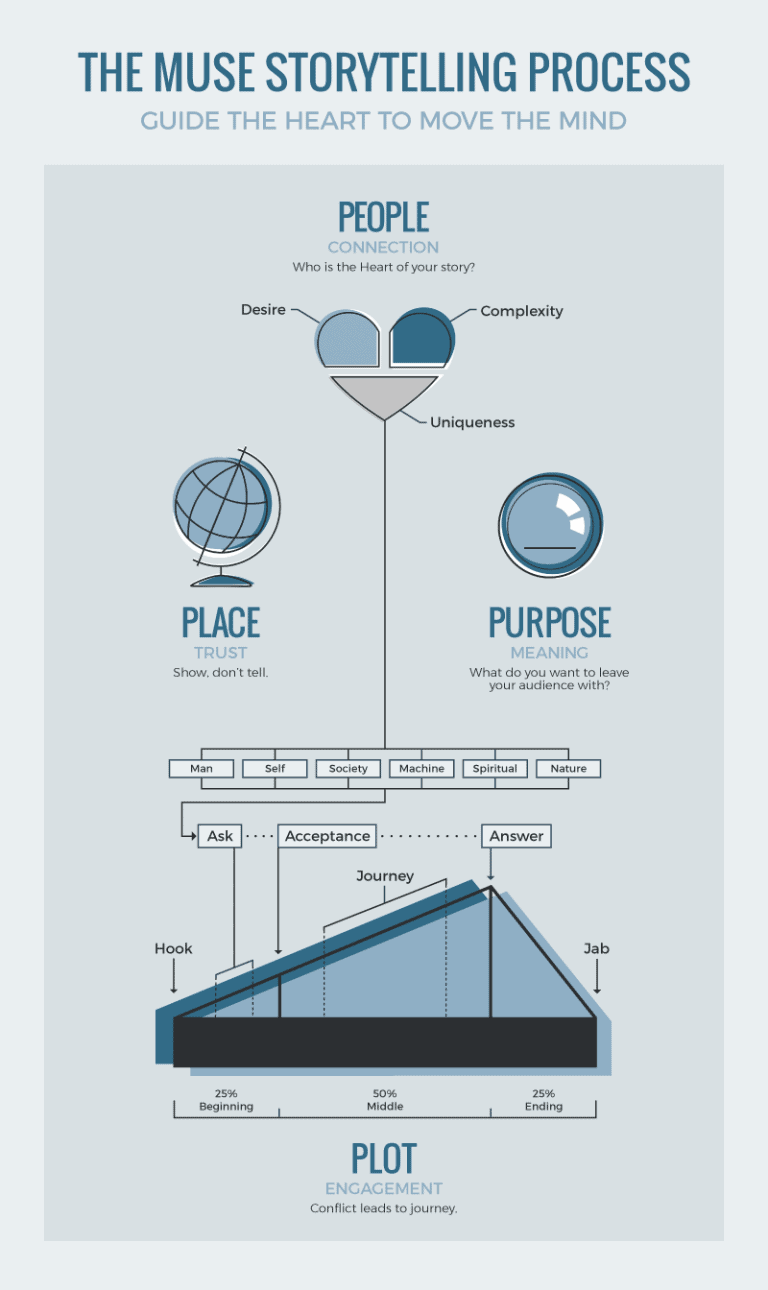
Your aim is to inspire and convince your target groups with your videos. To do this, it is essential that your videos are as engaging as they are informative. A clear story gives your video a structure: show a recognisable situation, explain the problem and demonstrate a relevant solution. Choose an approach that fits your audience and supports the information you want to convey. The challenge lies in developing a strong and comprehensible story. Many videos are based on the following approach: There is a main character – the hero of the story. He or she has a certain problem. The solution to the problem must succeed because something is at stake for the hero. And, of course, your product, service, or special process can solve the problem particularly well. Transferred to your marketing for industrial applications, the solution to the problem can be, for example, time savings, higher throughput, or the optimization of a process
6. Storyboard
With the information you gathered about the content, added value, and the right hook for your target groups, you can continue with the development of a Storyboard. Here, it is advisable to focus on your company WHY? what are your DESIRES, UNIQUENESS, and MOTIVATION.
7. In conclusion:
Explainers, product videos, customer stories and tutorials are possible formats for a B2B video plan. Start with your objective, audience, message and intended use. Turn these decisions into a brief and a rough story before planning production, then agree how you will assess the result.
Looking for an Image Film in Berlin, Hamburg or Frankfurt?
Drop us a line for more details or to chat about your requirements.